
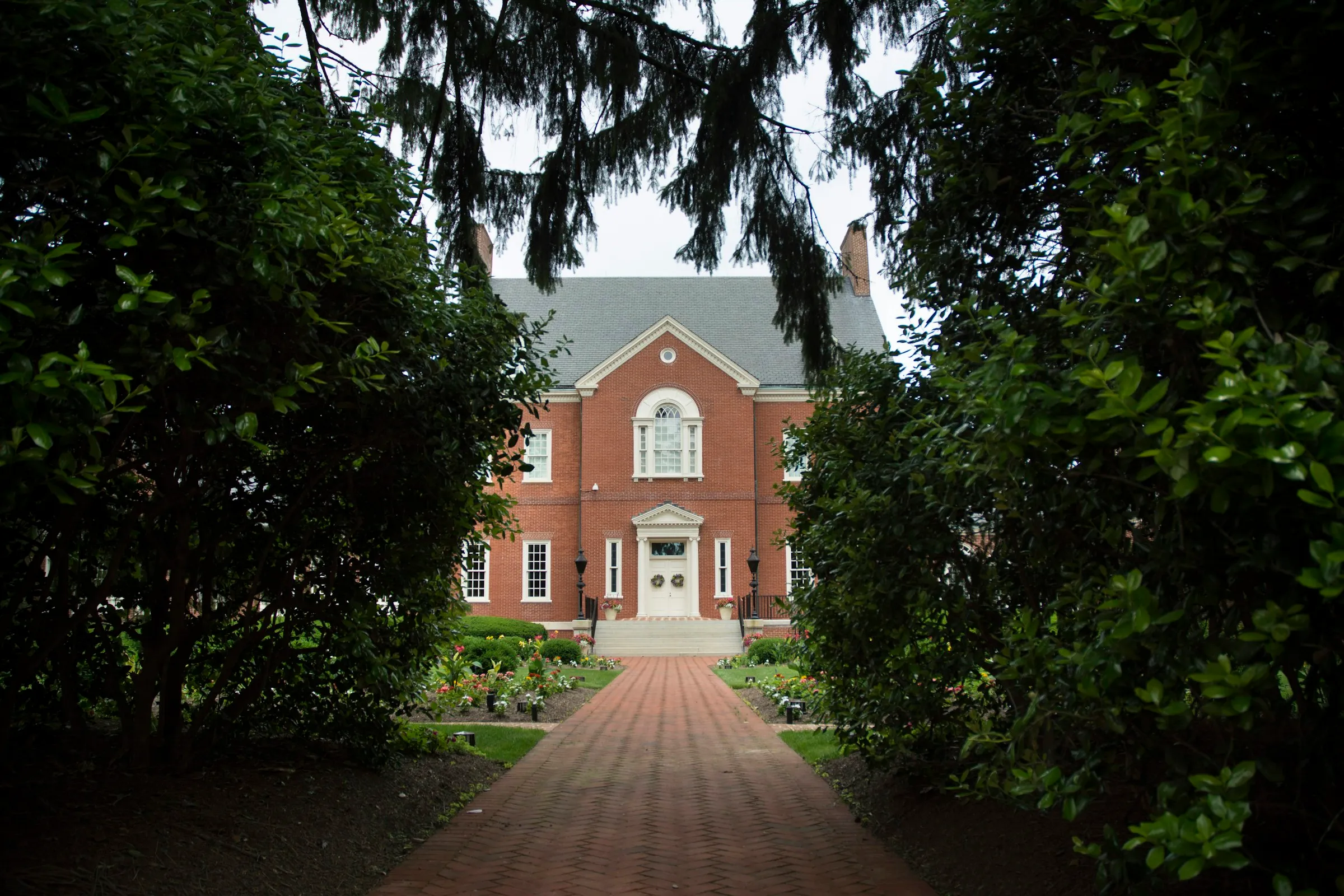
Mold Remediation in Gettysburg, PA
I'm John Calhoun. I find where the water is coming from, take the mold out the right way, and show you photos of everything behind the wall. No franchise, no call center.
Mold work for Adams County homes
Inspection through cleanup, with the moisture problem named every time.




One local owner against the franchise guys
The first page of Google for mold in Gettysburg is mostly national restoration brands working out of Chambersburg, Hanover, and farther off. They do fine work. They also carry royalty fees, regional managers, and a dispatch desk between you and the person who shows up.
This company is one owner with an office on Baltimore Street. I've been doing this here for four years. When something about your job needs a decision, the person making it is the person whose name is on this page.
- Owned and run by John Calhoun
- Office in downtown Gettysburg
- Independent, not a franchise
What you can check about this company
A short list on purpose. If it isn't confirmed, it isn't on this site.
What's different about hiring a local mold company
Four things that matter more than a logo on a van.
- You talk to the owner
- Questions about scope, schedule, or price go to John, not to a coordinator reading from a screen.
- The moisture gets named
- Mold is a water problem first. Every assessment ends with where the water is coming from, even when the fix belongs to a plumber or a roofer.
- You see behind the wall
- Before and after photos of every area opened up, so you aren't taking anyone's word for what was there.
- No franchise math
- An independent shop doesn't send a cut of your invoice to a home office in another state.
Gettysburg and the rest of Adams County
From Lincoln Square out Route 30, down 15 to the Maryland line, and west to Fairfield and Carroll Valley.
In and around Gettysburg
- Downtown and Lincoln Square
- Colt Park
- Twin Oaks
- Lake Heritage
- Links at Gettysburg
- Cumberland Township
- Straban Township
- Mount Joy Township
Across Adams County
- Littlestown
- Bonneauville
- New Oxford
- McSherrystown
- Biglerville
- Arendtsville
- Cashtown
- Fairfield
- Carroll Valley
- East Berlin
- York Springs
Why mold shows up in Gettysburg houses
The summers are hot and sticky, the afternoon thunderstorms dump a lot of water at once, and the winters swing from rain to ice to snow and back. Freeze and thaw cycles open up old mortar joints, and each crack is a new path for spring rain. On top of that, the houses here span more than two centuries of building habits, and each era has its own way of getting wet.
Borough rowhouses and Victorians, 1790s to 1880s
Around Lincoln Square and the old blocks off Washington and Stratton Streets, the brick and fieldstone houses sit flush to the sidewalk and often share a wall with the neighbor. The foundations are rubble stone or soft brick in lime mortar with no perimeter drain, so ground moisture passes straight into the cellar all year. Roof water lands in a narrow alley and has nowhere to go. In a double house, a wet cellar on one side usually means a damp party wall on the other.
Foursquares and bungalows, 1890s to 1930s
The in-town streets toward the college and out to Colt Park are full of these. Better foundations, but a hundred years of added bathrooms, dropped ceilings, and blown-in insulation. The attics are where I find trouble: a bath fan somebody ran up there decades ago and never took through the roof.
Ranches and split-levels, 1950s to 1970s
Out Route 30, Fairfield Road, and the older township developments, the lower level of a split sits half in the ground, often next to a garage tucked under the living space. Block walls, paneling glued or furred right onto them, carpet on the slab. Mold on the back of 1970s paneling is one of the most common finds in these houses.
Township colonials and newer builds, 1980s to now
In neighborhoods like Twin Oaks and Lake Heritage, around the Links at Gettysburg, and on the larger lots carved out of former orchard ground, the houses are tighter and the basements are finished. Much of the county sits on red shale and heavy clay that drains slowly, so these homes live and die by the sump pump. One failure during a storm soaks the carpet pad and the bottom foot of drywall, and if it isn’t dried within a couple of days the wall cavity grows. Homes near Rock Creek and Marsh Creek get more than their share.
The early signs, roughly in the order people notice them
The smell comes first. People describe it as wet dirt or an old damp cave, and it’s strongest when you open the basement door after the house has been closed up.
After that, look for these:
- Chalky white powder on stone, brick, or block walls. That’s efflorescence, mineral salt left behind by water moving through the masonry. It isn’t mold, but it tells you the wall is wet.
- Paint bubbling or wallpaper peeling on walls that face outside.
- Rust on the water heater jacket, the furnace housing, or the bottom of steel support posts.
- Spotting along floor joists, at baseboards, or behind a dresser or couch pushed tight against an outside wall.
- Stuffy noses and scratchy throats that ease up when you leave the house.
Fuzzy white growth on joists and dark staining on attic sheathing get most of the worried phone calls. Both are common here and both are fixable.
How a mold remediation job goes
- Assessment. I look at the visible growth, then go hunting for the water with a moisture meter. You get a plain description of what I found and what it will take.
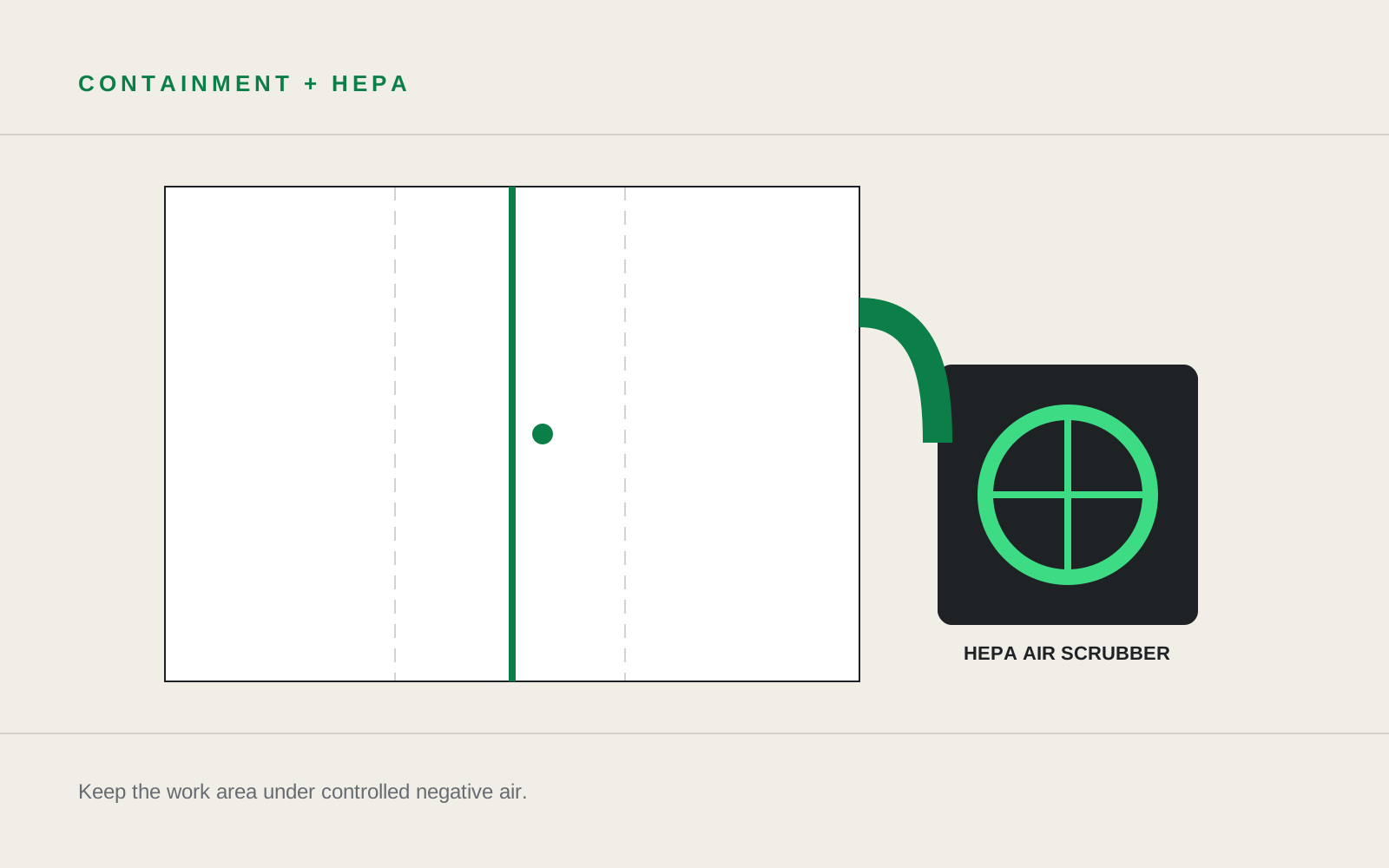
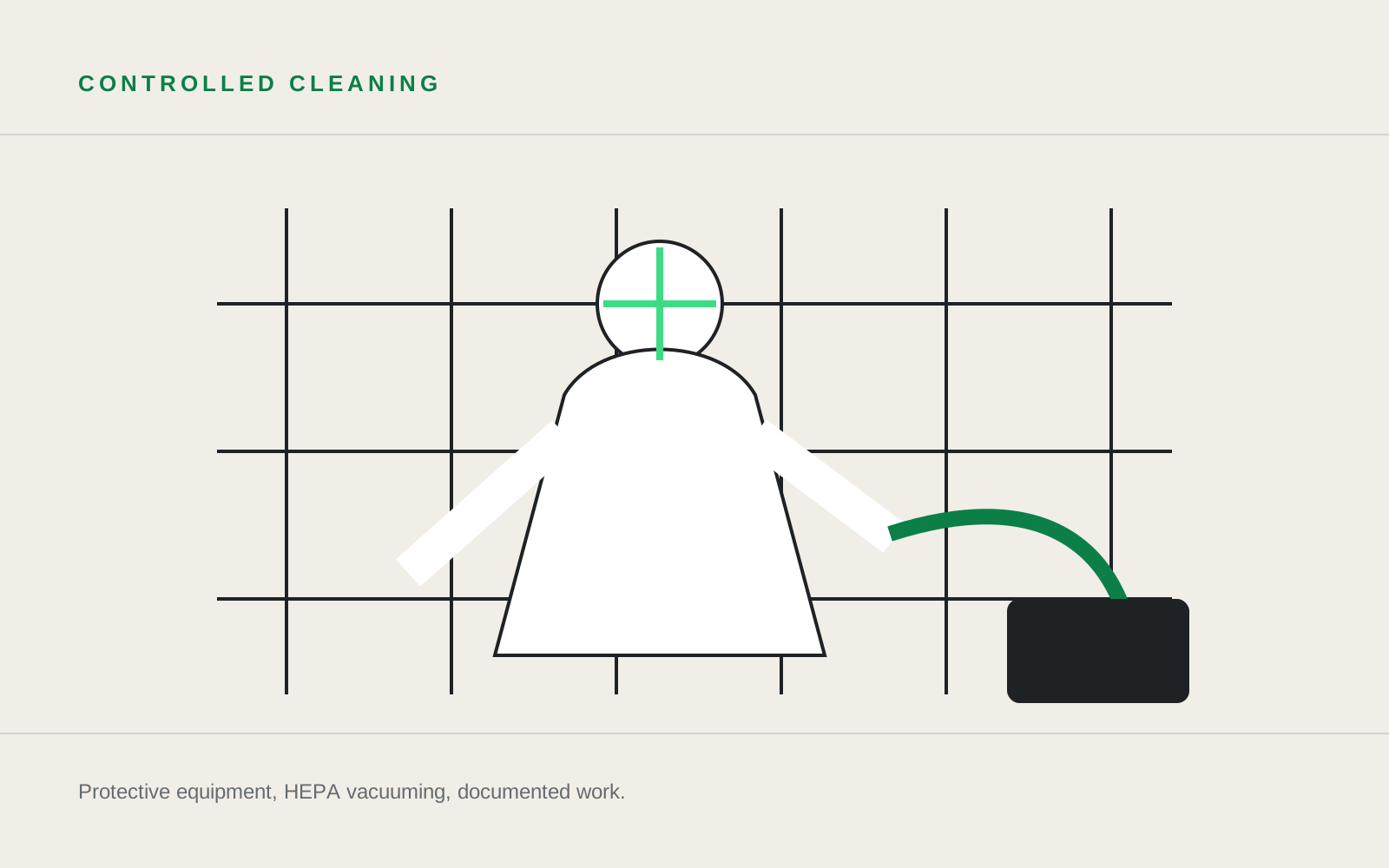
- Containment. The work area gets sealed in plastic with a HEPA air scrubber pulling negative pressure, so dust and spores go out through a filter and not into your living room.
- Removal. Wet drywall, insulation, carpet pad, and anything else porous that’s grown through comes out in sealed bags.
- Cleaning. Framing, subfloor, and masonry are HEPA vacuumed, then scrubbed, sanded, or wire-brushed, then vacuumed again. This is the step that separates remediation from spraying and leaving.
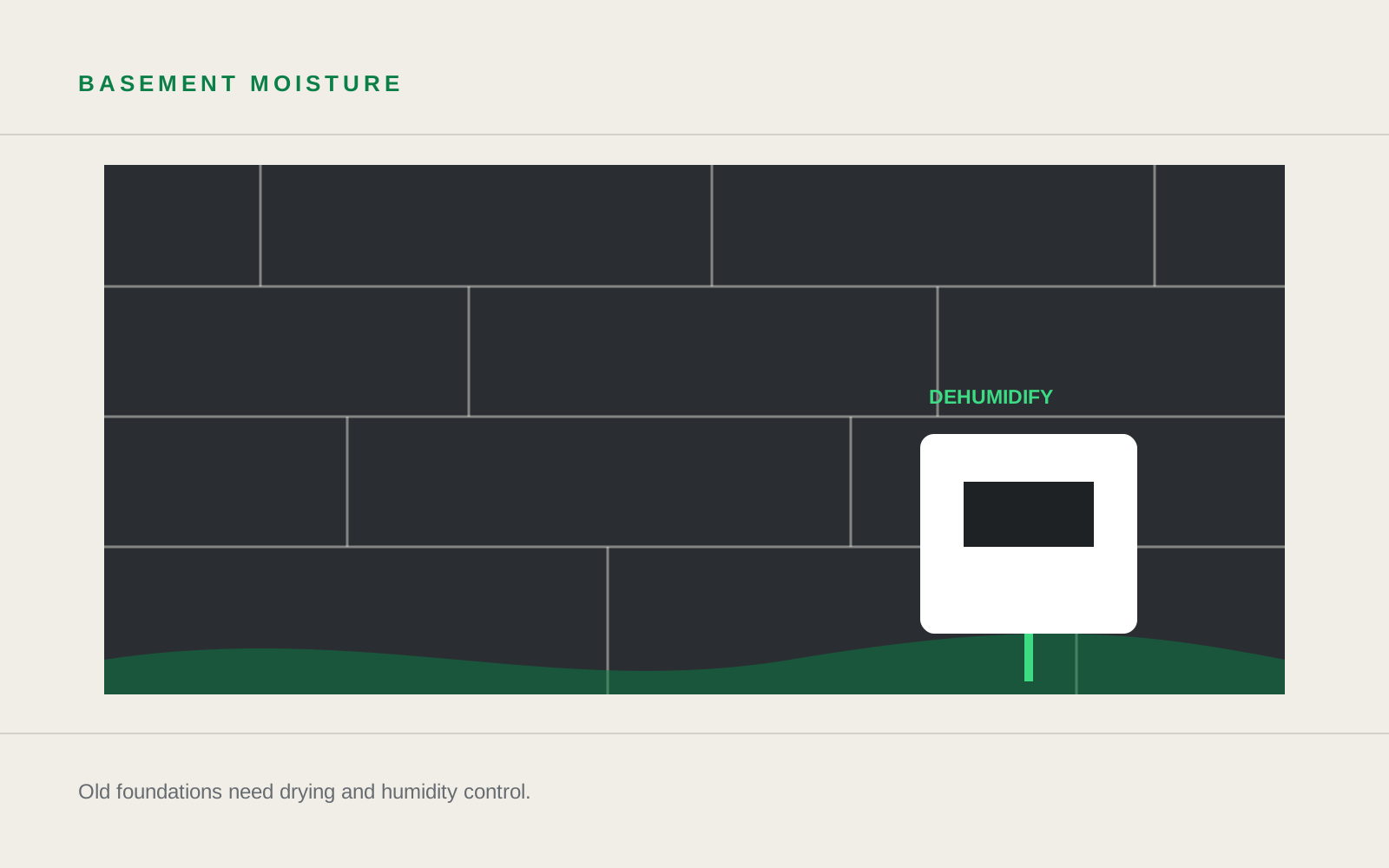
- Drying. Dehumidifiers run until wood and masonry read normal on the meter.
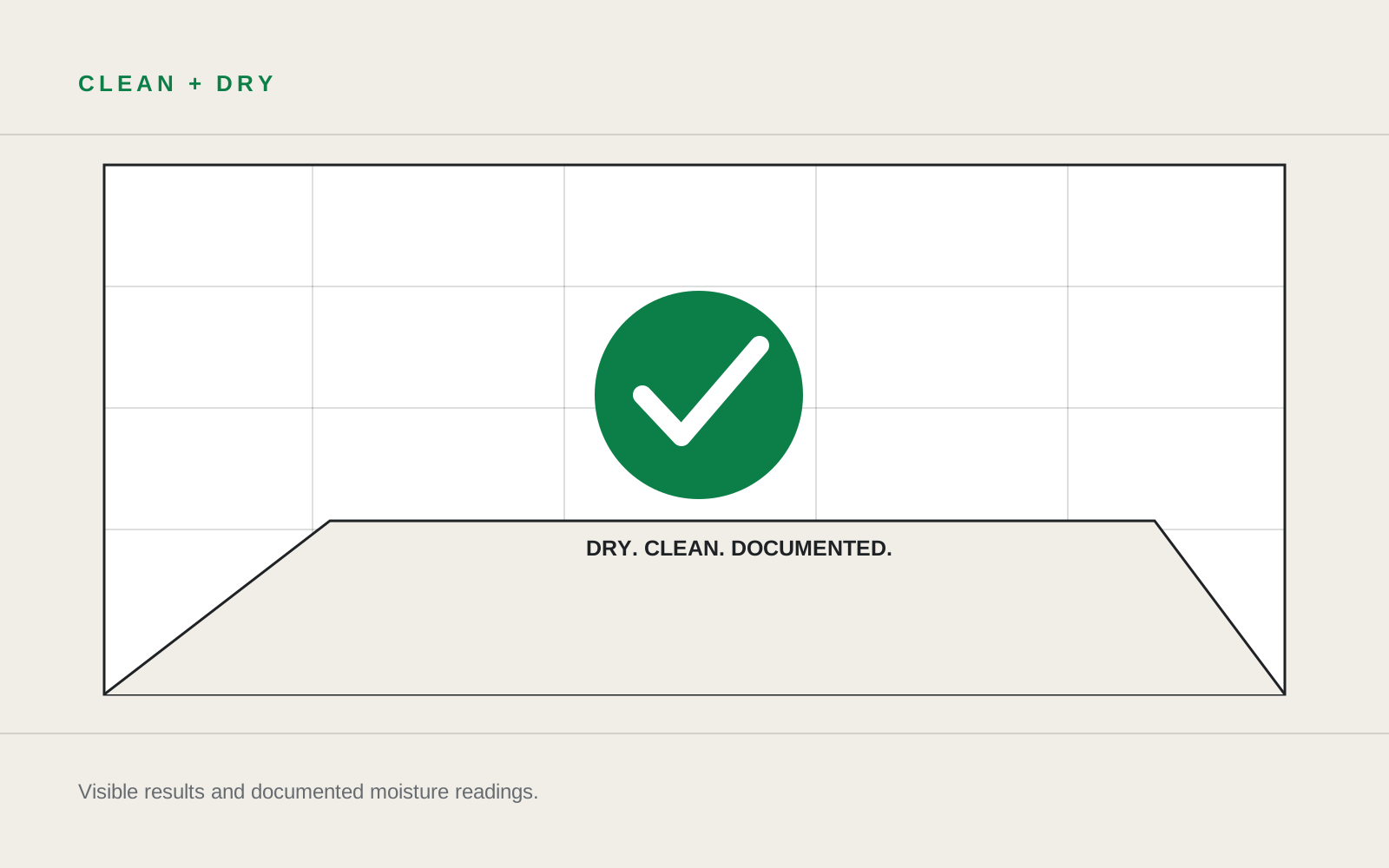
- Proof. Photos before and after, moisture readings, and a written summary. For a sale or a claim, I recommend a separate inspector for clearance testing.
This sequence follows the industry’s reference standard for mold work, the ANSI/IICRC S520. Details on each part are on the mold services page.
What people try first, and why it backfires
By the time someone calls, they’ve usually tried at least one of these.
Painting over it. A coat of stain-blocking primer makes the wall look fine for a few months. Meanwhile the moisture is sealed in, the paint bubbles off, and the studs behind it keep rotting.
Scrubbing it dry. Brushing or wiping dry mold with no containment and no HEPA vacuum throws spores into the air, and they settle wherever the air takes them. Pointing a box fan at it does the same thing faster.
A small dehumidifier with a bucket. The bucket fills in half a day, the unit shuts off, and the basement spends the rest of the week as damp as before. A dehumidifier only works if it drains by itself to a floor drain or sump and is sized for the space.
Covering the smell. Air fresheners, candles, and ozone machines do nothing to wet material. The odor is coming from active growth, and it returns when the scent wears off.
What waiting costs
I don’t put prices on a website because every house is different, but the pattern is always the same.
Caught early, the job is surface cleaning, HEPA vacuuming, a few days of air scrubbing, and fixing the water source. Wait a season or two and drywall, baseboards, and insulation have to come out, and a crawl space needs a new ground cover. Wait years and you’re into wood rot in joists and sill plates, media blasting a whole attic or crawl space, and ductwork that has pulled spores into rooms that were never wet.
Most people finally call for one of four reasons: a home inspection put a sale on hold, someone in the house can’t shake their symptoms, a remodel uncovered black growth behind a vanity or a basement wall, or guests noticed the smell.
Old houses need a lighter hand
Work inside a 150-year-old house is different from work in a 1990s split-level. Plaster over lath can’t be treated like drywall. Soft historic brick gets damaged by aggressive blasting or the wrong sealer, and sealing the inside of a stone foundation with waterproof paint tends to trap moisture in the wall and make it fail faster.
Interior remediation doesn’t go through Gettysburg’s Historic Architectural Review Board, but exterior fixes for the moisture source can, things like new gutters, vents, or grading work visible from the street in the historic district. I’ll flag it when that applies so you can check with the borough before anyone starts.
What I’ll tell you not to pay for
Not every dark spot is a remediation job. Surface mildew on bathroom caulk is a cleaning chore. Old, dry staining on attic sheathing from a problem fixed years ago may only need to be documented. And whole-house fogging sold as a cure does nothing about wet material or the leak that caused it.
If you want to read up before you call, the EPA’s mold cleanup guide for homeowners is short and sensible. Get in touch when you’re ready for someone to look at it in person.
Gettysburg Housing Data, and What It Means for Moisture
Census figures for the borough and the townships around it. Old houses and new houses get wet in different ways.
- 48%of homes in Gettysburg borough were built before 1940
- 1942median year built in the borough, against 1965 for Pennsylvania
- 53%of occupied homes in the borough are rented
- 30%of homes in Cumberland Township were built in 2000 or later
Source: U.S. Census Bureau, American Community Survey 2020-2024 5-year estimates. See the full Gettysburg housing data and area guides.
Mold Guides for Gettysburg Homeowners
Plain answers on inspection, testing and finding the moisture, written by John Calhoun.
- Do I need a mold inspection?
- How much does a mold inspection cost?
- How often should you get a mold inspection?
- Mold inspection vs. mold testing
- Air vs. surface vs. tape lift mold sampling
- Are home mold test kits accurate?
- Moisture meter readings explained
- Thermal imaging for hidden moisture
What Gettysburg homeowners ask about mold
What's the difference between mold removal and mold remediation?
People use them for the same thing. Removal is the physical part: taking out moldy drywall and cleaning the framing. Remediation is the whole job, which adds containment so spores don't spread, fixing or at least identifying the moisture source, and checking that the area is clean and dry at the end. Nobody can remove every spore from a house, because spores are in all outdoor air. The goal is normal levels and no active growth.
Can you sell a house with mold in Pennsylvania?
Yes. Pennsylvania's seller disclosure form asks about mold, and a seller has to disclose a problem they know about. What buyers and lenders want to see is that it was handled: what was found, what was done, and what the moisture source was. I write that up with photos so you have something to hand the buyer's agent. This isn't legal advice, so check with your agent or attorney on the disclosure itself.
What affects the cost of mold remediation?
Mostly how much material is affected and how hard it is to reach. A patch of drywall behind a washer is a small job. A crawl space you have to belly-crawl, or an attic in July, takes longer. Other factors are whether materials have to be torn out or can be cleaned in place, how much containment the layout needs, and whether you want lab testing. I look at the job before I give a number.
What if I can't afford mold remediation right now?
Stop the water first. That's usually the cheap part, and it keeps the problem from growing: fix the leak, run a dehumidifier, get the downspouts away from the foundation. If the cause was a sudden event like a burst pipe, call your insurance company, because some policies cover the resulting mold. The work can also be done in stages, worst area first. I'd rather tell you what to do yourself than watch a small job turn into a big one.
Does Pennsylvania license mold remediation companies?
No. Pennsylvania has no state license for mold work, which means anyone can print a business card. That puts the homework on you. Ask any company, this one included, how they contain the area, what they do with the air, and what proof you get at the end.
Can I clean mold myself?
Small spots on hard surfaces, yes. The EPA's rule of thumb is about ten square feet, roughly a three-foot by three-foot patch. Scrub it with detergent and water, dry it, and fix whatever got it wet. Skip the bleach on drywall and wood. It doesn't reach the roots in porous material and the water in it feeds what's left. Call someone when the area is bigger, when it's inside a wall or the HVAC system, or when it keeps coming back.
How far do you travel from Gettysburg?
All of Adams County: Littlestown, New Oxford, McSherrystown, Biglerville, Fairfield, Carroll Valley, East Berlin, and the townships in between. If you're just over the county line, call and ask.
Request a mold assessment
- Locally owned in Gettysburg
- Four years in business
- Independent, not a franchise